
Unveiling the Tempranillo: A Journey Through Its Rich History and Flavor
Understanding Tempranillo: The Heart of Spanish Wine
Tempranillo is often hailed as the king of Spanish grapes, holding a significant position in the viticulture landscape of Spain. Known for producing flavorful and complex wines, this varietal enchants wine enthusiasts with its rich history and diverse flavor profiles. As you embark on a journey to discover Tempranillo, understanding its origins, characteristics, and the techniques used in winemaking will deepen your appreciation for this remarkable grape.
Origins of Tempranillo
The origins of Tempranillo trace back several centuries, believed to have been cultivated in Spain since at least the 12th century. Its name, which translates to “early ripener,” indicates its tendency to mature sooner than many other grape varieties. This characteristic made it a preferred choice for winemakers in regions with shorter growing seasons.
Tempranillo is primarily grown in the famous Rioja region but has found its way into vineyards across Spain and beyond. The grape’s adaptability to various climates, from the hot, arid conditions of Ribera del Duero to the cooler, wetter regions of Galicia, speaks to its inherent versatility. Moreover, it is also linked to several other European wine styles, hinting at its far-reaching influence in viticulture.
Characteristics of Tempranillo Grapes
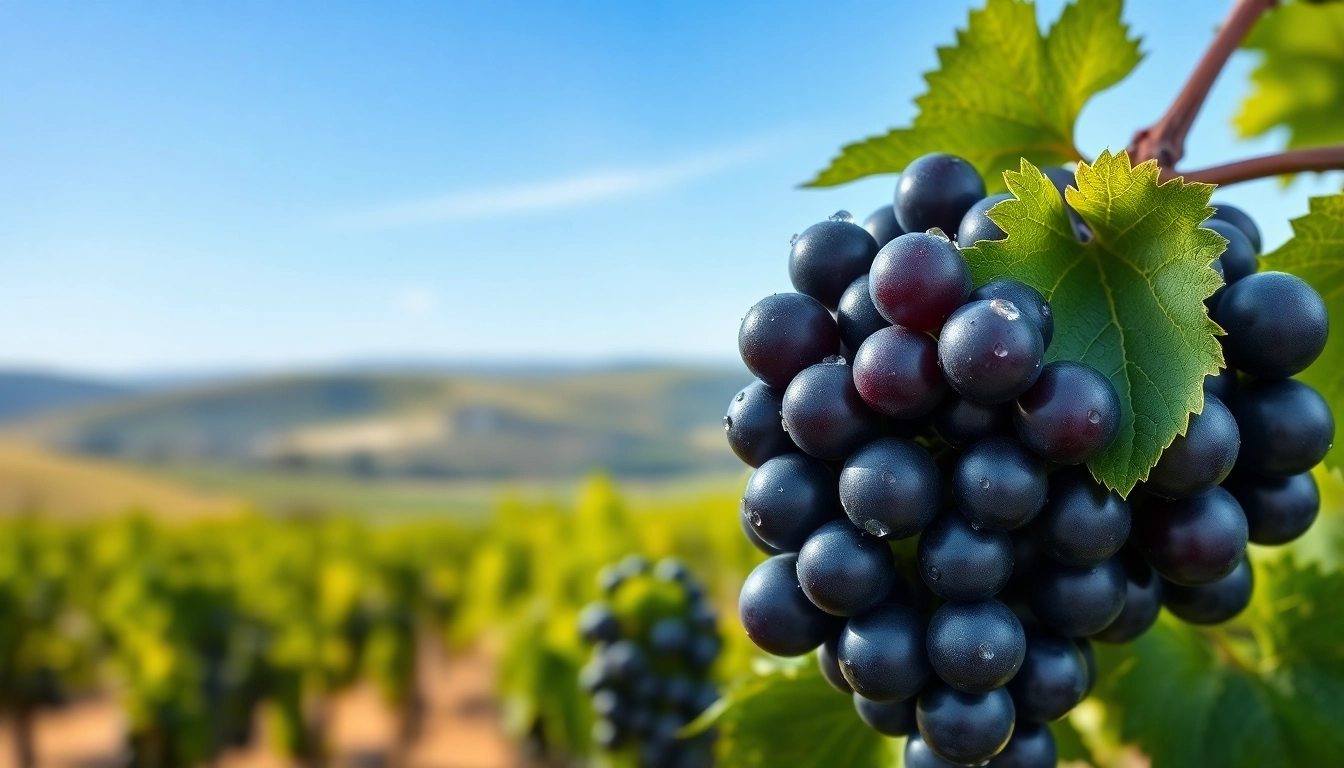
The Tempranillo grape is characterized by its round shape and thick skin, which contributes to the deep color of the wines produced. The grapes typically yield medium to high tannin levels, moderate acidity, and varying sugar concentrations, depending on the vineyard’s microclimate. This balance allows for the creation of wines that can be aged for years while still delivering vibrant, fruit-forward flavors.
In terms of phenolic profile, Tempranillo displays a potential for high anthocyanin content, which enhances color stability and adds complexity to the wine’s aroma and flavor. The grape’s natural ability to adapt to different soils—ranging from clay to limestone—further enhances its distinctive characteristics as these various terroirs impart unique qualities to the wines.
The Regions Where Tempranillo Thrives
Tempranillo’s most renowned region is Rioja, where it stands as the backbone of the region’s wine industry. Here, diverse microclimates and soil types come together to produce an array of distinctive wines. Other notable regions include:
- Ribera del Duero: Known for bold, complex wines, often exclusively made from Tempranillo, which locals refer to as Tinto Fino.
- Priorat: This prestigious region emphasizes low yields, producing intense, elegant wines with robust flavor profiles.
- Navarra: While historically known for Chardonnay and Garnacha, Tempranillo is gaining traction, particularly in blends.
- Spanish Levante: Here, Tempranillo yields a lighter style of wine, creating a subtle taste that complements summer dishes.
Flavor Profiles and Aromas of Tempranillo
One of the most captivating aspects of Tempranillo is its rich and complex flavor profile. The grape’s versatility ensures that it can be shaped by different winemaking techniques, leading to a broad spectrum of aromas and flavors that can delight the palate.
Identifying Unique Flavor Notes
Wines made from Tempranillo often showcase a blend of fruity, earthy, and herbal notes. Some common flavor profiles include:
- Fruits: Ripe cherry, plum, and blackberry are predominant, with lighter variants showcasing notes of strawberry and red currant.
- Earthy Undertones: Depending on soil and aging, expect earthy notes like leather, tobacco, and graphite, adding layers of depth to the palate.
- Herbal Nuances: Many Tempranillo wines express subtle hints of dried herbs, such as rosemary, mint, or even eucalyptus, enriching the overall experience.
This diverse array allows for different expressions based on the specific region and winemaking techniques, demonstrating the intrinsic qualities of Tempranillo.
Aromas That Define Tempranillo
Aromatically, Tempranillo presents an enticing bouquet that mirrors its flavor complexities. Many wines exhibit:
- Floral Notes: Gentle hints of violets or floral aromas can emerge, particularly in younger wines.
- Spices: Notes of vanilla, nutmeg, and clove from oak aging can often enhance the wine’s profile, offering warmth and richness.
- Fruit Elements: Ripe and dried fruit aromas, particularly figs and raisins, resonate well with aged examples, evoking a sense of maturity.
Pairing Tempranillo with Food
Pairing food with Tempranillo is both an art and science, as the wine’s diverse flavor profile allows it to complement numerous dishes. Here are some classic pairings:
- Red Meats: Juicy cuts of lamb or beef dishes enhance the wine’s tannins, creating a harmonious balance.
- Spanish Cuisine: Dishes like paella, chorizo, and manchego cheese accentuate the wine’s fruity and earthy notes.
- Pasta with Tomato Sauces: The acidity in tomato-based dishes interacts beautifully with the wine’s natural acidity.
- Grilled Vegetables: Charred veggies bring out the minerality in Tempranillo, making for a refreshing combination.
Understanding these pairings can elevate your dining experience and deepen your appreciation for the nuances of Tempranillo.
Tempranillo Winemaking Techniques
The craftsmanship of winemaking significantly impacts the final product. Various techniques, both traditional and modern, contribute to the unique styles of Tempranillo wines.
Traditional Methods
Traditionally, many Spanish winemakers used oak casks for fermenting and aging their wines. This method allows for gradual oxygenation and integration of oak flavors, enhancing the wine’s complexity. The “solera” system—a technique originally used in sherry production—has occasionally been applied to Tempranillo production, facilitating a unique multi-vintage blend experience.
These traditional methods not only pay homage to the past but also help retain the grape’s integrity while allowing the winemaker’s signature to emerge.
Modern Approaches to Winemaking
In recent years, innovations in winemaking have transformed how Tempranillo is produced. New technologies such as temperature-controlled fermentation, micro-oxygenation, and advanced filtration techniques enable winemakers to produce cleaner and more consistent wines while enhancing the grape’s unique attributes. Additionally, some winemakers are experimenting with less oak aging, opting instead for a greater emphasis on fruity characteristics.
These modern approaches cater to evolving consumer tastes and showcase Tempranillo’s versatility.
Influence of Oak Aging on Flavor
Oak aging plays a crucial role in developing the flavor profile of Tempranillo. The choice of oak—whether American or French—can significantly change the flavor dynamics. American oak tends to impart sweeter, vanilla-like qualities, while French oak contributes a more subtle, spicy complexity.
The aging process not only strengthens the wine’s structure but also encourages the oxidation process, softening tannins and adding depth. This results in a harmonious balance of fruit, acidity, and oak influences, creating a wine that can evolve beautifully over time.
The Global Impact of Tempranillo
While Tempranillo is deeply rooted in Spanish tradition, its influence has expanded globally, reaching new heights and innovative regions.
Tempranillo Beyond Spain: Global Growth
Winemakers across the globe have embraced Tempranillo, leading to a burgeoning interest beyond Spanish borders. Countries such as Portugal, Australia, and the USA have begun to cultivate this grape, each contributing unique regional characteristics. For example, in California, Tempranillo is utilized in rich blends that reflect the lush terroir, while in Portugal, it often plays a role in crafting full-bodied blends.
This diversification allows wine lovers to experience the unique styles of Tempranillo while appreciating regional expressions.
Innovative Regions Producing Tempranillo
New regions are rising on the Tempranillo scene, challenging the established norms of traditional winemaking. Countries such as Argentina and South Africa are experimenting with this versatile grape. Here, winemakers utilize unique terroirs and innovative techniques that result in diverse expressions of Tempranillo, with notable differences in flavor, aroma, and aging potential, reflecting the local environment.
Market Trends for Tempranillo
As wine enthusiasts increasingly seek out unique varietals, Tempranillo has experienced a boost in popularity. Trends indicate a growing appreciation for quality over quantity, leading to higher demand for well-crafted artisan wines. Moreover, the rise of natural and organic wines has further propelled interest in sustainably produced Tempranillo, appealing to an environmentally conscious consumer base.
With these trends, Tempranillo remains a key player in the evolving wine market, promising exciting innovations and flavors in the years to come.
FAQs about Tempranillo
What is the ideal serving temperature for Tempranillo?
The ideal serving temperature for Tempranillo is between 60°F to 65°F (15°C to 18°C). This range helps to enhance the wine’s aromatic profile and flavor nuances.
How should Tempranillo be stored?
To store Tempranillo properly, keep it in a cool, dark place with stable temperatures, ideally around 55°F (13°C), and lay the bottles on their side to keep the cork moist.
What food pairs best with Tempranillo?
Tempranillo pairs wonderfully with grilled meats, rich pasta dishes, and Spanish tapas. Its versatility allows it to complement both robust flavors and lighter fare.
Does Tempranillo improve with age?
Yes, Tempranillo can improve with age, especially those from premium regions. Bottles aged properly can develop complex flavors and aromas over time, enhancing their elegance.
What are the best brands to try for Tempranillo?
While specific brands may vary, look for quality producers from Rioja, Ribera del Duero, and other notable Spanish regions. Researching winemakers with a good reputation will elevate your tasting experience.