
Choosing the Perfect Wedding Bands for Your Special Day
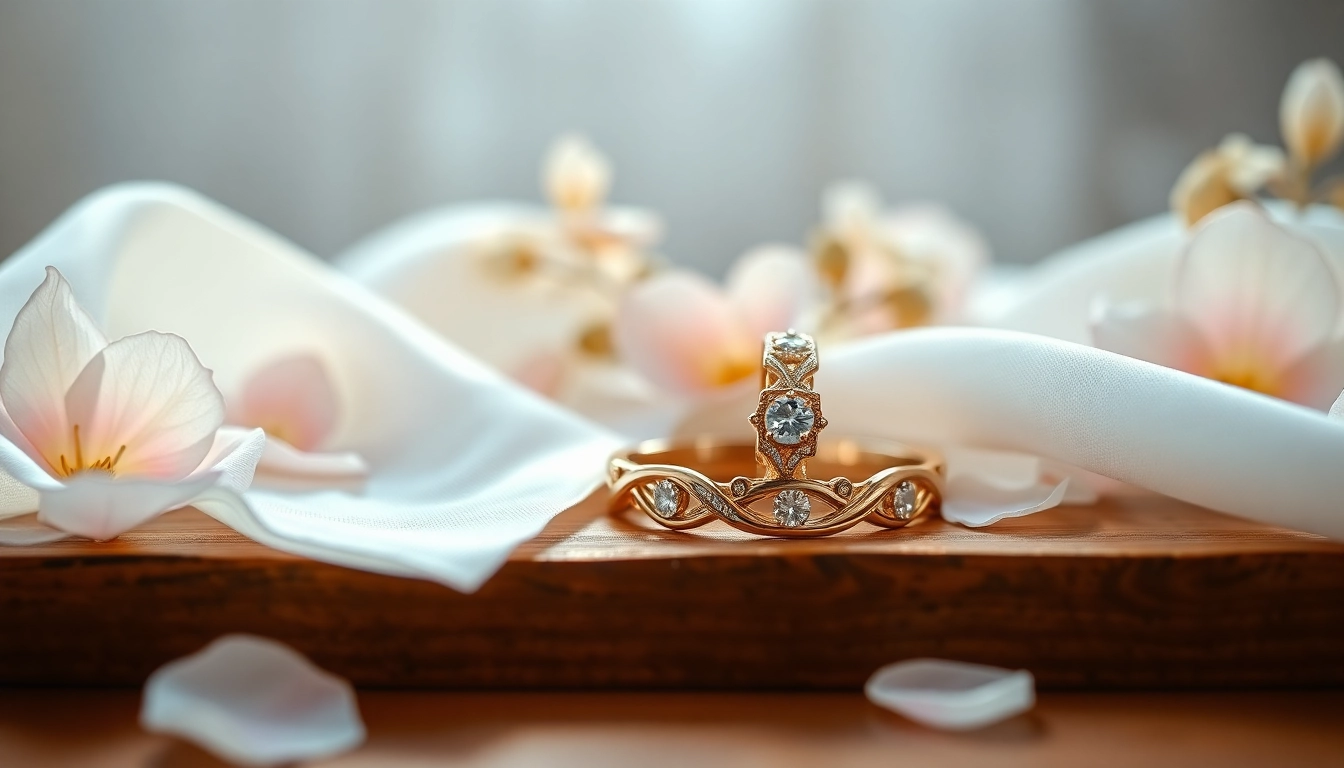
Choosing the perfect wedding bands is an integral part of the wedding planning journey. These bands not only symbolize your commitment to one another but also serve as a representation of your love story throughout your lifetime. Understanding the essentials of wedding bands is crucial for making an informed decision on these significant pieces of jewelry. For more information, explore our collection of Wedding bands designed to suit various tastes and budgets.
Understanding Wedding Bands Essentials
What Are Wedding Bands?
Wedding bands are rings exchanged by couples during their wedding ceremony, signifying their union and commitment. Unlike engagement rings, which can feature elaborate designs and gemstones, wedding bands are typically simpler and often match the partner’s style or aesthetic preference. They can be made from various materials, ranging from precious metals to contemporary alternatives.
Historical Significance of Wedding Bands
The tradition of exchanging wedding bands dates back thousands of years. Ancient Egyptians are credited with the earliest use of rings, which symbolized eternity due to their circular shape. Romans adopted this practice, emphasizing the legal contract aspect of marriage, while Medieval Europe began incorporating diamonds into wedding bands, emphasizing their rarity and beauty. Over the centuries, the design and material of wedding bands have evolved, reflecting shifts in social customs and fashion.
Popular Styles of Wedding Bands
Wedding bands come in a plethora of styles, catering to various tastes and personality types. Some popular styles include:
- Classic Bands: Simple and timeless, these are made from plain metals like gold, platinum, or white gold.
- Diamond-Paved Bands: Featuring embedded diamonds, these add sparkle and sophistication.
- Stackable Bands: Thin bands that can be stacked together or worn alone, allowing for versatility.
- Vintage or Antique Bands: These often feature intricate designs or heirloom motifs.
- Contemporary Designs: Incorporates unique materials or shapes, catering to modern tastes.
Materials Used for Wedding Bands
Gold Wedding Bands: Options and Value
Gold remains one of the most popular choices for wedding bands. It is available in three primary colors: yellow, white, and rose gold. Each type has distinct properties:
- Yellow Gold: The traditional choice, known for its classic warmth and rich hue.
- White Gold: A modern favorite, offering a contemporary look and often plated with rhodium for added brightness.
- Rose Gold: Known for its romantic pinkish tone, this option has gained immense popularity in recent years.
Gold bands are typically available in various karat options, with higher karat gold (like 18K) containing more pure gold than lower karats (like 14K), thus having a higher value but also being softer and more susceptible to scratches.
Alternative Metals for Wedding Bands
For couples looking for something different, several alternative metals have emerged, each offering unique properties:
- Platinum: Extremely durable and hypoallergenic, making it an excellent choice for sensitive skin. Its rarity contributes to its high value.
- Tungsten: Known for its incredible hardness and scratch resistance, tungsten bands are available in various finishes.
- Titanium: Lightweight and extremely strong, making it ideal for those who prefer a non-traditional look.
- Steel: Affordable and robust, stainless steel wedding bands are gaining popularity as a stylish option.
Gemstone Accents in Wedding Bands
Gemstone accents can elevate a simple wedding band, adding a personalized touch. Popular choices include:
- Diamonds: The classic choice, offering timeless sophistication.
- Sapphires: Known for their stunning blue hues, they also represent fidelity and loyalty.
- Emeralds: Symbolizing rebirth and love, emeralds can provide a vibrant pop of color.
- Other Gemstones: Couples might opt for personal birthstones or other favored gems, creating a unique symbol of their love.
Finding the Right Fit for Wedding Bands
How to Measure Your Ring Size
Accurate sizing is crucial for a comfortable wedding band. You can measure your ring size by using a ring sizer or measuring string wrapped around your finger. It’s best to check ring sizes at the end of the day when fingers are slightly larger and avoid measuring in extreme temperatures to ensure a precise fit.
Choosing the Width of Your Wedding Band
The width of wedding bands can significantly affect aesthetics and comfort. Common widths range from 2mm to 8mm. While thinner bands offer a delicate appearance, wider bands provide a bold statement. The choice largely depends on personal style preferences and practicality based on finger size.
Comfort-Fit vs. Traditional Wedding Bands
Comfort-fit bands feature a rounded inner surface for a more comfortable wear, especially for larger sizes. Traditional bands, however, have a flat inner surface, making them a more classic style. It’s essential to try both styles to determine which feels best, given that the right fit contributes to the overall satisfaction of wearing the band.
Customizing Wedding Bands
Engravings and Personal Touches
Adding personalized engravings is a great way to make your wedding band uniquely yours. Popular options include names, initials, important dates, or even a personal message. Choosing a meaningful phrase can create a sentimental connection beyond the visual appearance of the band.
Choosing an Unconventional Design
For couples wishing to stand out, unconventional designs can make a bold statement. Hexagonal shapes, braided styles, or incorporating mixed metals allows for a unique expression of individuality while maintaining the symbolism of love and commitment.
Working with Jewelers for Custom Wedding Bands
Collaborating with a skilled jeweler can bring your vision to reality. Sharing your ideas, designs you admire, and budget constraints enables the jeweler to translate your thoughts into a tangible product. Engagement in the crafting process allows for a deeper emotional connection with your wedding band.
Care and Maintenance of Wedding Bands
Cleaning Techniques for Wedding Bands
To keep your wedding band looking its best, regular cleaning is essential. A simple solution of warm soapy water and a soft brush is often effective. For more stubborn dirt, a professional ultrasonic clean may be necessary. Avoid harsh chemicals that can damage the band, especially if it contains gemstones.
Storing Wedding Bands Safely
Proper storage is vital to maintain the quality of your wedding band. It’s best to store your jewelry separately in a cushioned box or pouch to prevent scratches and tangling with other pieces. Additionally, storing them in a cool, dry place away from direct sunlight can help prevent discoloration.
When to Seek Professional Repair for Wedding Bands
Even with the best care, wear and tear can occur. Common issues like loose stones, scratches, or broken bands warrant a professional assessment. Regular check-ups at your jeweler can help catch problems early, ensuring the longevity of your wedding band.
FAQs About Wedding Bands
What is the difference between a wedding band and an engagement ring?
A wedding band is exchanged during the marriage ceremony, symbolizing commitment, while an engagement ring is given during the proposal, typically featuring a diamond or gemstone.
Can I wear my wedding band without an engagement ring?
Absolutely! Many people choose to wear only the wedding band, especially for comfort or simplicity, while others enjoy wearing both together.
How should I clean my wedding band at home?
You can clean your wedding band at home using warm soapy water and a soft brush. Rinse thoroughly and dry with a soft cloth to maintain its luster.
Can I resize my wedding band later?
Yes, most wedding bands can be resized by a professional jeweler. However, how much they can be resized depends on the material and design of the band.
How do I choose the right metal for my wedding band?
Your choice should depend on budget, skin sensitivity, and personal style. Consider factors like durability and appearance when selecting the material.