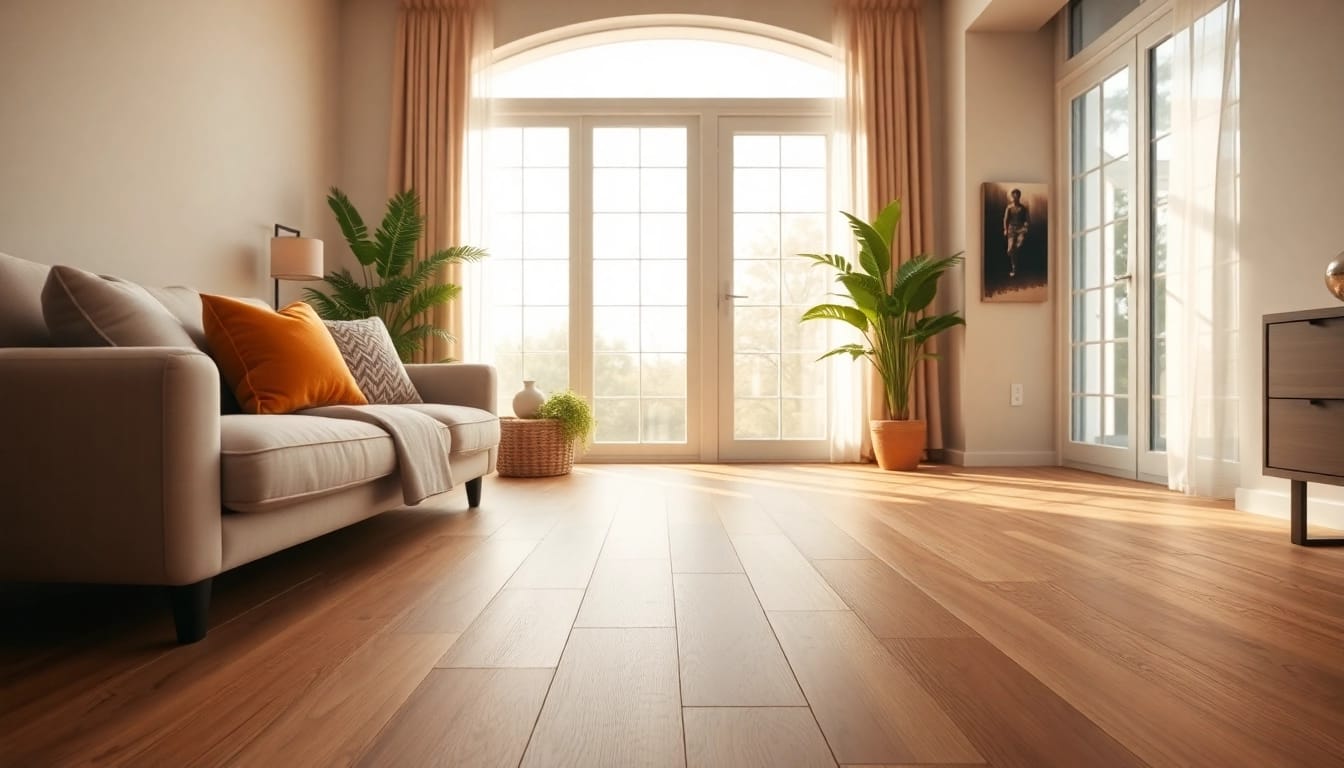
Understanding Vinyl Plank Flooring
What is Vinyl Plank Flooring?
Vinyl plank flooring is a versatile and increasingly popular flooring option made from synthetic materials designed to imitate the appearance of natural hardwood. Composed primarily of polyvinyl chloride (PVC), this flooring type provides a formidable alternative to traditional hardwood floors, combining aesthetic appeal with durability. Many homeowners are drawn to vinyl plank flooring for its ability to withstand the rigors of daily life while offering diverse design choices. Available in a range of colors, textures, and styles, it allows for creative expression in any room.
Advantages of Vinyl Plank Flooring
The benefits of installing vinyl plank flooring extend far beyond its stylish visual appeal. Here are some key advantages:
- Water Resistance: Many vinyl plank options provide excellent water resistance, making them suitable for moisture-prone areas like kitchens and bathrooms.
- Durability: This flooring is designed to last, often resisting scratches, dents, and fading due to foot traffic and sunlight.
- Comfort: Vinyl planks are softer underfoot compared to traditional hardwood, which can lead to a more comfortable walking experience.
- Affordability: Compared to solid hardwood or tile flooring, vinyl plank flooring is usually more budget-friendly, providing the look of luxury without the hefty price tag.
- Easy Maintenance: Cleaning vinyl plank flooring is a breeze; regular sweeping and occasional mopping are typically all that's necessary.
Common Myths about Vinyl Plank Flooring
Despite its popularity, several misconceptions about vinyl plank flooring persist. Let’s dispel some myths:
- Myth 1: Vinyl plank flooring is low-quality. Fact: Many high-end vinyl products offer exceptional durability and style.
- Myth 2: Vinyl plank flooring emits harmful chemicals. Fact: Many brands now prioritize low-VOC materials, making them safer for indoor use.
- Myth 3: Vinyl plank cannot be recycled. Fact: Certain products can be designed with recyclable materials, and several recycling options are emerging.
Choosing the Right Vinyl Plank Flooring
Factors to Consider When Selecting Vinyl Plank Flooring
Choosing the right vinyl plank flooring for your space involves considering various factors to ensure it meets your functional and aesthetic needs:
- Thickness: Vinyl planks come in various thicknesses. Thicker planks are generally more durable and provide better sound insulation.
- Wear Layer: The wear layer on vinyl planks protects against scratches and stains. A thicker wear layer offers better protection, especially in high-traffic areas.
- Design: Consider the color, pattern, and texture that will best complement your existing décor.
- Type of Installation: Determine whether you will install the flooring yourself or hire a professional. Some products are designed for easy DIY installation.
- Budget: Set a realistic budget, factoring in both materials and potential installation costs.
Different Styles and Finishes of Vinyl Plank Flooring
Vinyl plank flooring is available in a multitude of styles and finishes, mimicking various natural materials:
- Wood-Look Vinyl: Designed to replicate the appearance of hardwood, this style delivers warmth and charm.
- Stone-Look Vinyl: Available in finishes that resemble natural stone, offering a sophisticated aesthetic.
- Patterned Vinyl: For those wanting a bold look, patterned options can add flair to any room.
How to Compare Vinyl Plank Flooring Brands
With numerous brands available, comparing them can be challenging. Here’s how you can streamline your decision:
- Research Reviews: Look for customer reviews online to gauge experiences and satisfaction levels.
- Warranty Information: Evaluate the warranty policies to assess the manufacturer's confidence in their product.
- Visit Showrooms: If possible, visit local showrooms to see the products in person and get a feel for the textures and colors.
Installation Process of Vinyl Plank Flooring
DIY Installation: Steps to Follow
Installing vinyl plank flooring can be a rewarding DIY project. Follow these steps for a successful install:
- Preparation: Clear the installation space of furniture, and clean the floor surface thoroughly.
- Acclimate the Planks: Allow the vinyl planks to acclimate in the room for at least 48 hours to prevent expansion or contraction.
- Layout: Plan your layout to minimize waste and consider creating a visual guide.
- Cut and Lay: Cut the planks as necessary and lay them according to your planned pattern.
- Finishing Touches: After installation, add trim pieces and perform necessary clean-up.
Hiring a Professional: What to Know
If you're feeling uncertain about a DIY project, hiring a professional can ensure a flawless installation. When selecting a contractor, consider the following:
- Experience: Look for professionals with extensive experience in vinyl flooring installation.
- References: Request references or past project examples to evaluate their work quality.
- Quotes: Obtain multiple quotes to compare pricing and services.
Common Installation Mistakes to Avoid
To ensure a smooth installation process, here are some common mistakes to steer clear of:
- Neglecting Surface Preparation: Improperly prepared surfaces can lead to issues with adhesion and longevity.
- Ignoring Expansion Gaps: Failing to include necessary expansion gaps can lead to buckling.
- Rushing the Process: Take your time to ensure accuracy in cuts and placement for a polished finish.
Maintaining Vinyl Plank Flooring
Cleaning Tips for Vinyl Plank Flooring
Regular cleaning and maintenance are crucial to prolonging the life of your vinyl plank flooring. Here are essential cleaning tips:
- Daily Maintenance: Sweep or vacuum regularly to remove dirt and debris.
- Mopping: Use a damp mop and a pH-neutral cleaner to prevent build-up and preserve the surface.
- Spot Clean: Address spills promptly with a clean, dry cloth to prevent staining.
Preventative Measures for Longevity
To ensure your vinyl plank flooring stands the test of time, consider implementing these preventative measures:
- Use Rugs: Placing area rugs in high-traffic zones can reduce wear and tear.
- Protective Pads: Attach pads to furniture legs to prevent scratches and scuffs.
- Maintain Humidity Levels: Use a dehumidifier if necessary to maintain consistent humidity, avoiding damage from moisture fluctuations.
Dealing with Damage and Repairs
Even with the best care, damage can occur. Here’s how to effectively handle repairs:
- Minor Scratches: Use a specialized repair kit designed for vinyl flooring.
- Loose Planks: For planks that are lifting or have come loose, re-adhering them with adhesive can usually resolve the issue.
- Replacement: For severely damaged planks, you can replace them by gently lifting the damaged piece and sliding a new plank into place.
FAQs about Vinyl Plank Flooring
Is vinyl plank flooring waterproof?
Yes, most vinyl plank flooring products are water-resistant or even waterproof, making them suitable for areas like kitchens and bathrooms.
Can vinyl plank flooring be installed over existing flooring?
Yes, vinyl plank flooring can often be installed over existing floors, as long as they are smooth and free of debris.
How long does vinyl plank flooring last?
With proper care and maintenance, vinyl plank flooring can last 10 to 20 years, depending on the quality.
Is vinyl plank flooring eco-friendly?
Many vinyl plank flooring options are designed to be eco-friendly, with many brands using recycled materials and low VOC emissions.
Can I refinish vinyl plank flooring?
No, vinyl plank flooring cannot be refinished like hardwood, but you can replace individual planks if needed.