Overview of the Manaslu Circuit Trek
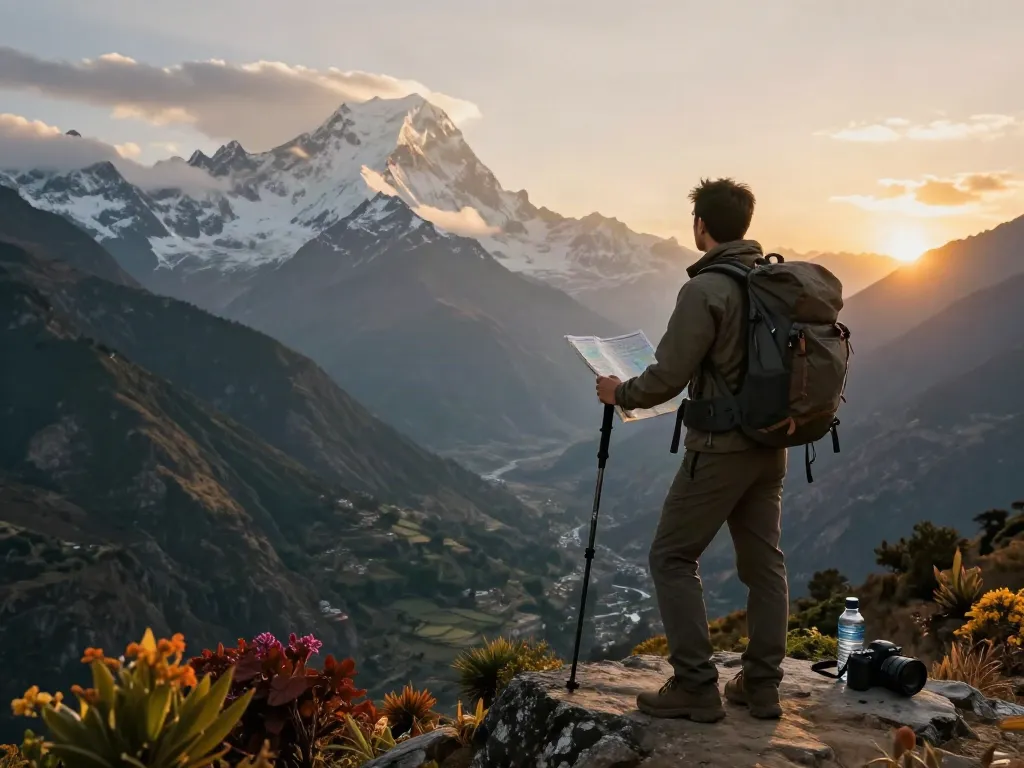
The Manaslu Circuit Trek is an exhilarating journey that takes adventurers through the heart of the Himalayas, offering a perfect blend of stunning landscapes, rich cultural experiences, and challenging terrains. Nestled in the Gorkha district of Nepal, this trek circles Mount Manaslu, the eighth highest peak in the world, standing tall at 8,163 meters (26,781 feet). The trek has been gaining popularity due to its breathtaking views and less crowded trails compared to other famed treks like Everest Base Camp and Annapurna Circuit. If you are looking for an authentic trekking experience that showcases the beauty of Nepal's mountainous regions, the Manaslu Circuit Trek offers an unforgettable adventure.
What is the Manaslu Circuit Trek?
The Manaslu Circuit Trek is a 15-day long journey that typically starts in Arughat and ends in Dharapani, covering a distance of approximately 177 kilometers (110 miles). It is renowned for its breathtaking vistas, diverse ecosystems, and cultural richness. The trek allows trekkers to witness the unique lifestyle of the local communities, primarily the Gurungs and Tibetans, who inhabit the region. Along the way, trekkers experience the hospitality of local teahouses, visit ancient monasteries, and traverse lush forests, pristine rivers, and glacial valleys.
History and Cultural Significance
Historically, the Manaslu region was a vital trade route between Nepal and Tibet, with merchants traversing these paths long before tourism became popular. The cultural influences of Tibetan Buddhism are evident in the local architecture, monastic practices, and daily life of the inhabitants. The area is home to several ancient monasteries, including the famous Pungyen Gompa and the Gho Monastery, which reflect the region’s spiritual heritage. The trek is also a chance to witness the traditional practices of local artisans and farmers, providing a glimpse into their way of life.
Key Highlights of the Trek
- Majestic Mountain Views: Experience panoramic views of the Annapurna and Manaslu ranges, including peaks like Himlung Himal and Kang Guru.
- Larkya La Pass: Cross the challenging Larkya La Pass (5,160 m/16,929 ft), which offers stunning vistas of surrounding peaks.
- Diverse Landscapes: Trek through lush forests, terraced fields, and rocky terrains, showcasing the ecological diversity of the region.
- Cultural Encounters: Meet the local Gurung, Tibetan, and other ethnic communities, learning about their rich traditions and lifestyles.
Preparing for the Manaslu Circuit Trek
Successful trekking in the Manaslu region requires adequate preparation, which includes understanding the physical demands of the trek, necessary equipment, and the best times to travel.
Essential Packing List for Trekkers
When preparing for the Manaslu Circuit Trek, a well-thought-out packing list is crucial for comfort and safety. Essential items include:
- Clothing: Layered clothing suitable for varying temperatures, waterproof jackets, thermal innerwear, and comfortable trekking shoes.
- Equipment: A sturdy backpack, trekking poles, sleeping bag rated for -15°C (5°F), and a first aid kit.
- Personal Items: Sunscreen, sunglasses, water purification tablets, and necessary toiletries.
Physical Fitness Requirements for Trekking
The Manaslu Circuit Trek requires a good level of fitness due to its challenging terrain and altitude. It is recommended that trekkers engage in regular cardio workouts, strength training, and practice hikes prior to the trek. Walking on uneven surfaces, running, and cycling can significantly enhance stamina and endurance, which are crucial for completing the trek.
Understanding the Climate and Best Seasons
The best time to embark on the Manaslu Circuit Trek is during the spring (March to May) and autumn (September to November) seasons. These months typically offer stable weather, clear skies, and stunning mountain views. In contrast, the monsoon season (July to September) can bring heavy rainfall, making trails slippery and less accessible. Winter (December to February) poses challenges due to cold temperatures and possible snowfall, which can obstruct paths.
The Itinerary: Day-by-Day Breakdown
Understanding the day-by-day itinerary helps trekkers anticipate their journey and prepare accordingly.
Daily Schedule and Trekking Duration
The 15-day itinerary involves daily trekking durations ranging from 5 to 8 hours. Each day's trek presents unique challenges and picturesque landscapes, beginning with your arrival in Kathmandu and culminating in your return from the Manaslu region:
- Day 1: Arrival in Kathmandu - Transfer to your hotel.
- Day 2: Drive to Machha Khola - 8 to 10 hours drive.
- Day 3: Trek to Jagat - 6 to 7 hours trekking.
- Day 4: Trek to Deng - 6 to 7 hours trekking.
- Day 5: Trek to Namrung - 7 to 8 hours trekking.
- Day 6: Trek to Lho - 3 to 4 hours trekking.
- Day 7: Trek to Samagaon - 3 to 4 hours trekking.
- Day 8: Acclimatization Day - Hike to Birendra Lake or Manaslu Base Camp.
- Day 9: Trek to Samdo - 3 to 4 hours trekking.
- Day 10: Trek to Dharmashala - 4 to 5 hours trekking.
- Day 11: Trek to Bimthang via Larkya La Pass - 8 to 9 hours trekking.
- Day 12: Trek to Goa - 5 to 6 hours trekking.
- Day 13: Trek to Dharapani - 3 to 4 hours trekking.
- Day 14: Drive to Kathmandu - 10 to 12 hours drive.
- Day 15: Departure - Transfer to the airport for your flight.
Accommodation and Meal Options
Accommodation along the Manaslu Circuit consists of traditional teahouses and lodges, which provide twin-sharing rooms with shared bathrooms. Meals typically include local Nepali fare such as dal bhat (rice and lentils), noodles, and soups, all designed to replenish energy after a long day of trekking.
Side Trips and Recreational Activities
One of the appealing aspects of the trek is the opportunity for side trips. The acclimatization day at Samagaon is particularly notable, where trekkers can visit Birendra Lake or hike to Manaslu Base Camp to take in the extraordinary views that the region has to offer.
Costs and Permits for the Manaslu Circuit Trek
Navigating the cost and permits for the Manaslu Circuit Trek is essential for a successful trip. Understanding the financial aspects and paperwork is crucial for planning.
Detailed Cost Breakdown for 2026
The cost of the Manaslu Circuit Trek typically ranges from $1,500 to $2,500, depending on various factors including the duration of the trek, the season, and the trekking agency chosen. Ace the Himalaya offers a standard package of $1,550 for 15 days, which includes transportation, accommodation, meals, and necessary permits.
Required Permits and Booking Procedures
Trekkers wishing to embark on the Manaslu Circuit must obtain several permits, including the Manaslu Restricted Area Permit (MRAP), Manaslu Conservation Area Permit (MCAP), Annapurna Conservation Area Permit (ACAP), and a TIMS (Trekkers Information Management System) card. These permits are essential for protecting the unique environment and culture of the region, and they can usually be arranged through a registered trekking agency.
Adding Extra Days or Side Treks
Many trekkers choose to add extra days to explore nearby attractions or simply to enjoy a leisurely pace. Customizing your itinerary may involve consulting your trekking agency and making arrangements ahead of time to ensure availability.
Safety and Health Considerations
Ensuring safety and health during the trek is paramount. The rugged terrain and high altitudes present challenges that require careful planning and awareness.
Acute Mountain Sickness (AMS) and Prevention
Acute Mountain Sickness (AMS) is a concern for trekkers at high altitudes, particularly above 2,500 meters (8,202 feet). Symptoms can include headache, nausea, and fatigue. To mitigate these risks, proper acclimatization is crucial, which is why the Manaslu Circuit itinerary includes designated acclimatization days. Staying hydrated and ascending gradually can also help reduce the likelihood of AMS.
Emergency Protocols and Health Tips
In the event of an emergency, it is imperative to follow set protocols. Trekking guides are trained to handle various health challenges and should be consulted if symptoms of AMS arise. They carry necessary medical supplies and are equipped to assist trekkers; in critical situations, evacuation may be necessary.
Communication and Connectivity on the Trek
While trekking in remote areas can lead to limited connectivity, major villages often have mobile phone reception. Wi-Fi is available at certain teahouses for a small fee, allowing trekkers to stay in touch with family and friends. It is advisable to inform someone of your trekking schedule before embarking on the journey.
How difficult is the Manaslu Circuit Trek?
The Manaslu Circuit Trek is rated as moderately challenging, primarily due to its high-altitude passes and the length of the trek. Trekkers can expect to hike between 5 to 8 hours each day, navigating rocky trails and varying terrain. Those in good physical condition with some trekking experience will find it manageable.
Can a beginner do the Manaslu Circuit trek?
Yes, a beginner can undertake the Manaslu Circuit Trek, provided they have reasonable fitness levels and a willingness to prepare adequately. Engaging in a training regimen before the trek will significantly enhance the experience.
How much does the Manaslu trek cost?
The total cost can vary widely depending on factors such as trekking agency, season, and inclusions. Generally, trekkers can expect to budget between $1,500 to $2,500, with packages from established agencies covering essential amenities.
Is the Manaslu Circuit trek harder than Everest Base Camp?
While both treks provide breathtaking views, the Manaslu Circuit Trek is often considered equally or slightly more challenging due to its rugged terrain and the altitude of the Larkya La Pass compared to the Everest Base Camp trek.
What should I know about the weather on the Manaslu Circuit Trek?
Weather conditions can vary greatly throughout the year. The prime trekking seasons are spring and autumn, but trekkers should prepare for sudden weather changes. Temperature drops at night can be significant, so layering is crucial.