How to Choose the Perfect Fly Fishing Bag for Your Next Trip
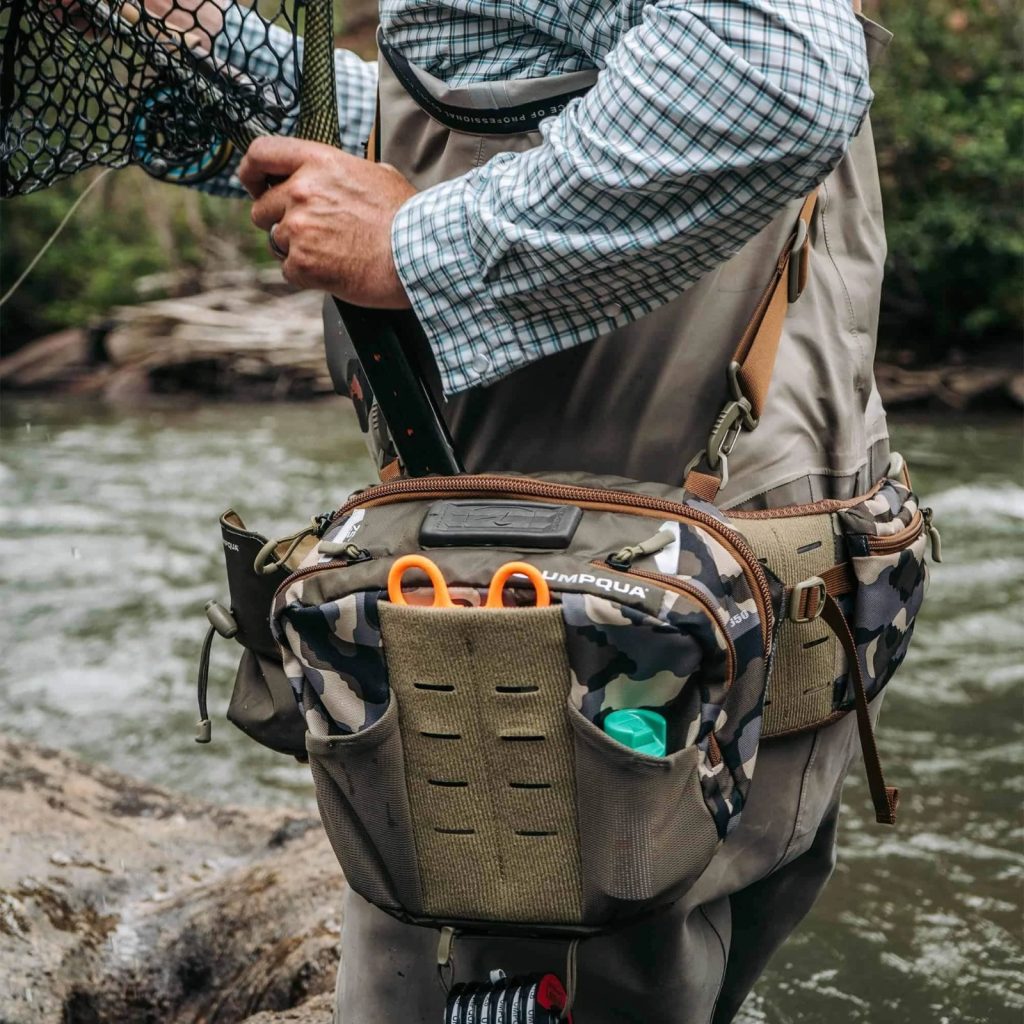
Fly fishing is more than just a sport; it’s an immersive experience that combines skill, patience, and a deep connection with nature. One of the essential tools every angler needs is a Fly fishing bag. Choosing the right bag can significantly impact your comfort, convenience, and overall success on the water. In this guide, we’ll walk you through everything you need to consider to find the perfect fly fishing bag for your next adventure.
Why the Right Fly Fishing Bag Matters
Your fly fishing bag isn’t just a container for gear—it’s an extension of your fishing strategy. A well-chosen bag keeps your equipment organized, accessible, and protected from the elements. Whether you’re wading in a shallow stream or hiking to a remote mountain lake, the right bag ensures your gear is always at hand, reducing stress and enhancing your fishing experience.
Key Benefits of a Quality Fly Fishing Bag
- Organization: Keeps flies, leaders, tippets, and tools in separate compartments for quick access.
- Durability: Protects gear from water, dirt, and abrasion.
- Comfort: Distributes weight evenly, making long hikes easier.
- Accessibility: Offers easy reach to essential items without unpacking the entire bag.
Types of Fly Fishing Bags
Choosing the right style of fly fishing bag depends on your fishing habits and the environment you’ll be in. Here are the most common types:
Backpack Fly Fishing Bags
Backpack fly fishing bags are ideal for anglers who cover long distances or hike to remote spots. They feature multiple compartments for organized storage and ergonomic designs to reduce fatigue. Look for padded straps, waterproof materials, and adjustable fittings for maximum comfort.
Sling Fly Fishing Bags
Sling bags are perfect for those who need quick access to gear while keeping weight off their back. They can be rotated to the front without removing the bag, allowing you to grab flies, tools, or other essentials without interrupting your fishing flow.
Chest and Waist Packs
Chest packs and waist packs are compact and designed for minimal gear. They are excellent for short trips or for anglers who prefer to travel light. Despite their smaller size, many modern packs feature innovative organization systems to keep essential items close at hand.
Factors to Consider When Choosing a Fly Fishing Bag
Selecting the perfect fly fishing bag requires considering several practical aspects. Here’s what you need to focus on:
Storage Capacity
Evaluate the amount of gear you typically carry. For extended trips, a larger backpack may be necessary, while shorter excursions may only require a chest or waist pack. Look for bags with multiple compartments, zippered pockets, and external attachment points for added versatility.
Material and Durability
A fly fishing bag should withstand water, sun, and abrasion. Materials like nylon and polyester with waterproof coatings are highly durable. Reinforced stitching and high-quality zippers also ensure your bag lasts season after season.
Comfort and Fit
Even the most durable bag won’t be useful if it’s uncomfortable to carry. Ergonomic designs, padded straps, ventilated back panels, and adjustable fittings all contribute to long-term comfort, especially during hikes to remote fishing locations.
Accessibility and Organization
Consider how easily you can access your gear while on the water. Bags with multiple compartments, fly boxes, tool holders, and retractable zinger clips allow you to stay organized and efficient without fumbling through your equipment.
Weight
An overly heavy bag can become a burden, especially on long hikes. Choose a lightweight bag that balances capacity with portability. Look for designs that allow even distribution of weight to prevent strain.
Weather Resistance
Weather-resistant or waterproof bags protect your gear from unexpected rain, river splashes, or accidental submersion. Many premium fly fishing bags also feature water-repellent coatings and drainage holes to keep your gear dry.
Additional Features to Look For
Modern fly fishing bags come with a variety of additional features that enhance functionality:
- Rod Holders: Secure your rod while moving or fishing.
- Hydration Compatibility: Some backpacks include reservoirs for easy access to water.
- Attachment Loops: Useful for tools, nets, and other accessories.
- Molle Systems: Modular attachment systems that allow for custom organization.
Tips for Maintaining Your Fly Fishing Bag
Proper maintenance ensures your fly fishing bag remains functional and durable:
- Rinse off mud, dirt, and debris after each trip.
- Use mild soap and water for cleaning; avoid harsh chemicals.
- Allow your bag to air dry completely before storage.
- Check zippers and straps regularly to prevent damage.
How to Match Your Bag to Your Fishing Style
Different fishing styles and environments require different bags:
- Stream Fishing: Chest packs or small waist packs allow for agile movement in shallow water.
- Hiking to Remote Locations: Backpacks with large capacity and ergonomic design are ideal.
- Urban or Accessible Lakes: Lightweight sling bags or small backpacks work well for shorter, convenient trips.
Top Brands and Recommendations
While personal preference plays a significant role, several brands consistently receive high marks for quality and innovation. Look for products with a reputation for durability, ergonomic design, and smart organizational features. Reading customer reviews and professional guides can also help narrow down your choices.
Final Thoughts: Invest in the Right Fly Fishing Bag
Selecting the perfect fly fishing bag is about more than just style; it’s about functionality, comfort, and organization. By considering your fishing habits, the environments you frequent, and the specific features you need, you can invest in a bag that enhances your fishing experience and keeps your gear protected. Whether you choose a backpack, sling bag, or chest pack, the right fly fishing bag will become an essential companion on every adventure, ensuring you spend more time catching fish and less time managing your gear.