Understanding Visceral Fat: Health Implications and Management Strategies
In a world where health and wellness trends fluctuate and vary, few topics remain as critical and persistent as visceral fat. This type of fat is often overlooked, yet it holds significant implications for our overall health and well-being. To navigate the complexities of visceral fat, we must delve into its definitions, health implications, and strategies for effective management.
What is Visceral Fat and Its Health Implications?
Defining Visceral Fat and Its Characteristics
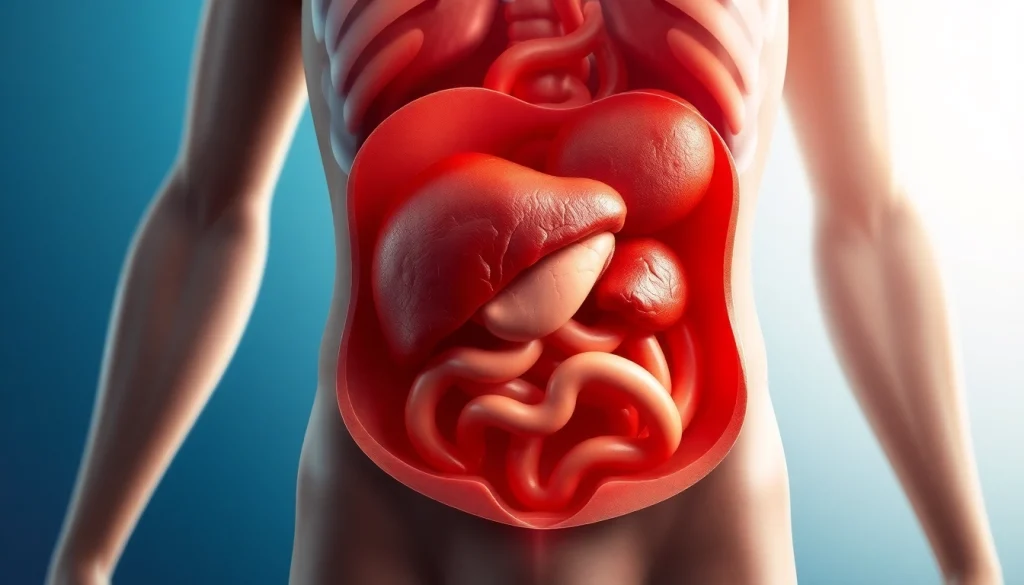
Visceral fat is a type of body fat that is stored within the abdominal cavity, surrounding vital internal organs such as the liver, pancreas, and intestines. Unlike subcutaneous fat, which lies just beneath the skin and can often be pinched, visceral fat is deeper and not directly visible. Its location and nature distinguish it as particularly concerning, as it is more associated with serious health risks.
The Biological Mechanisms Behind Visceral Fat Accumulation
The accumulation of visceral fat is influenced by a myriad of factors, including genetics, dietary habits, and lifestyle choices. When we consume excess calories, especially from carbohydrates and unhealthy fats, the body stores this surplus energy as visceral fat. Hormonal fluctuations, particularly in insulin and cortisol levels, can also play a substantial role in the regulation and accumulation of visceral fat. Stress has been shown to increase cortisol levels, which can stimulate the storage of fat in the abdominal area.
Health Risks Associated with Excessive Visceral Fat
Carrying excessive visceral fat presents significant health risks. Studies have linked high levels of visceral fat to an increased likelihood of developing conditions such as type 2 diabetes, heart disease, and metabolic syndrome. The presence of visceral fat can lead to inflammation and insulin resistance, further compounding these risks. Understanding these health implications is vital for recognizing the importance of managing visceral fat as part of a broader health strategy.
How to Identify Visceral Fat: Signs and Measurements
Physical Indicators of Visceral Fat
Identifying the presence of visceral fat may not always be straightforward since it is internally located. However, there are several physical indicators that may suggest an unhealthy accumulation of this fat. Individuals may notice an increase in waist circumference, especially when the measurement exceeds 40 inches for men and 35 inches for women. Additionally, a protruding abdomen, even in individuals who are otherwise fit, can signal underlying visceral fat presence.
Tools for Measuring Visceral Fat Levels
There are various tools available to assess visceral fat levels accurately. While traditional measures like waist circumference can provide preliminary insights, advanced imaging techniques such as MRI (Magnetic Resonance Imaging) and CT (Computed Tomography) scans offer precise measurements of visceral fat volume. Additionally, bioelectrical impedance scales can provide estimates of body fat composition, including visceral fat analysis, although their accuracy may vary.
Understanding Body Mass Index vs. Visceral Fat
Body Mass Index (BMI) is often used as a general indicator of body weight relative to height, but it fails to distinguish between different types of fat. BMI may not accurately reflect the health risks associated with visceral fat. For example, an individual with a normal BMI may still have high levels of visceral fat, putting them at risk for health issues. Therefore, it is imperative to assess visceral fat alongside BMI for a clearer understanding of health status.
Dietary Approaches to Reducing Visceral Fat
Essential Nutrients for Fat Loss
Diet plays a crucial role in managing visceral fat levels. Focusing on incorporating nutrient-dense foods that promote fat loss can be beneficial. Essential nutrients include fiber, which is found in whole grains, fruits, and vegetables, and can enhance satiety and regulate blood sugar levels. Protein is another essential nutrient, as it boosts metabolism and reduces hunger, fostering a conducive environment for weight loss and fat reduction.
Foods to Incorporate for Managing Visceral Fat
Several foods are particularly effective in combating visceral fat. Foods high in omega-3 fatty acids, such as fatty fish, flaxseeds, and walnuts, help reduce inflammation. Additionally, incorporating antioxidant-rich fruits and vegetables can protect against oxidative stress while enhancing fat metabolism. Whole grains, such as quinoa and brown rice, offer sustainable energy and promote digestive health, which supports weight management efforts.
Avoiding Processed Foods: The Impact on Visceral Fat
Reducing or eliminating processed foods from one’s diet is critical for managing visceral fat. Processed foods are often high in added sugars, unhealthy fats, and trans fats, which can contribute to fat accumulation, particularly visceral fat. Sugary beverages, fast foods, and snacks laden with artificial ingredients should be avoided to mitigate the risk of visceral fat gain.
Exercise Strategies for Targeting Visceral Fat
Effective Workouts for Burning Visceral Fat
Regular physical activity is essential for targeting visceral fat. Engaging in aerobic exercises such as running, swimming, or cycling can enhance caloric expenditure and fat oxidation. Strength training is equally important as it helps in building lean muscle mass, which boosts metabolism. A combination of both types of exercises can significantly help in reducing visceral fat over time.
The Role of High-Intensity Interval Training (HIIT)
High-Intensity Interval Training (HIIT) has emerged as a highly effective workout strategy for burning visceral fat. HIIT involves alternating between short bursts of intense exercise and recovery periods. This approach can elevate the heart rate and promote calorie burn during and after the workout, leading to increased fat loss, including visceral fat. Engaging in HIIT sessions two to three times a week can contribute significantly to fat reduction.
Combining Aerobic and Strength Exercises
The integration of both aerobic and strength training exercises forms a well-rounded fitness regimen. While aerobic exercises primarily burn calories, strength training helps develop lean muscle mass, which enhances metabolic rate over the long term. This combination not only supports fat loss but also promotes overall health, improving muscle tone and cardiovascular fitness.
Long-Term Lifestyle Changes to Manage Visceral Fat
Establishing Healthy Eating Habits
Long-term management of visceral fat requires a commitment to healthy eating habits. Planning meals ahead of time, cooking at home, and being mindful of portion sizes can aid in maintaining a balanced diet. Keeping a food diary may also help track food intake and identify patterns that may hinder progress in managing visceral fat levels. Making gradual changes, rather than aiming for perfection, allows for sustainable success.
The Role of Sleep and Stress Management
Sleep quality and stress management are often underestimated factors in regulating visceral fat. Chronic stress can lead to increased cortisol levels, promoting fat storage in the abdominal area. Therefore, incorporating stress-reduction techniques, such as mindfulness, yoga, or deep breathing exercises, can significantly influence visceral fat accumulation. Additionally, prioritizing sleep through consistent sleep patterns can enhance recovery and metabolic function.
Monitoring Progress: Tools and Techniques
Monitoring progress is fundamental to successful visceral fat management. Various tools and techniques can aid in tracking changes. This includes regular measurements of waist circumference, utilizing smart scales that provide body composition analysis, and keeping a journal of dietary intake and exercise routines. Setting realistic goals and celebrating small victories can foster motivation and commitment to the journey of managing visceral fat effectively.